

Writing

Field notes from production AI

The same architecture judgment I bring to engagements, written down. What separates an AI demo from a system that survives real users, real data, and an audit.

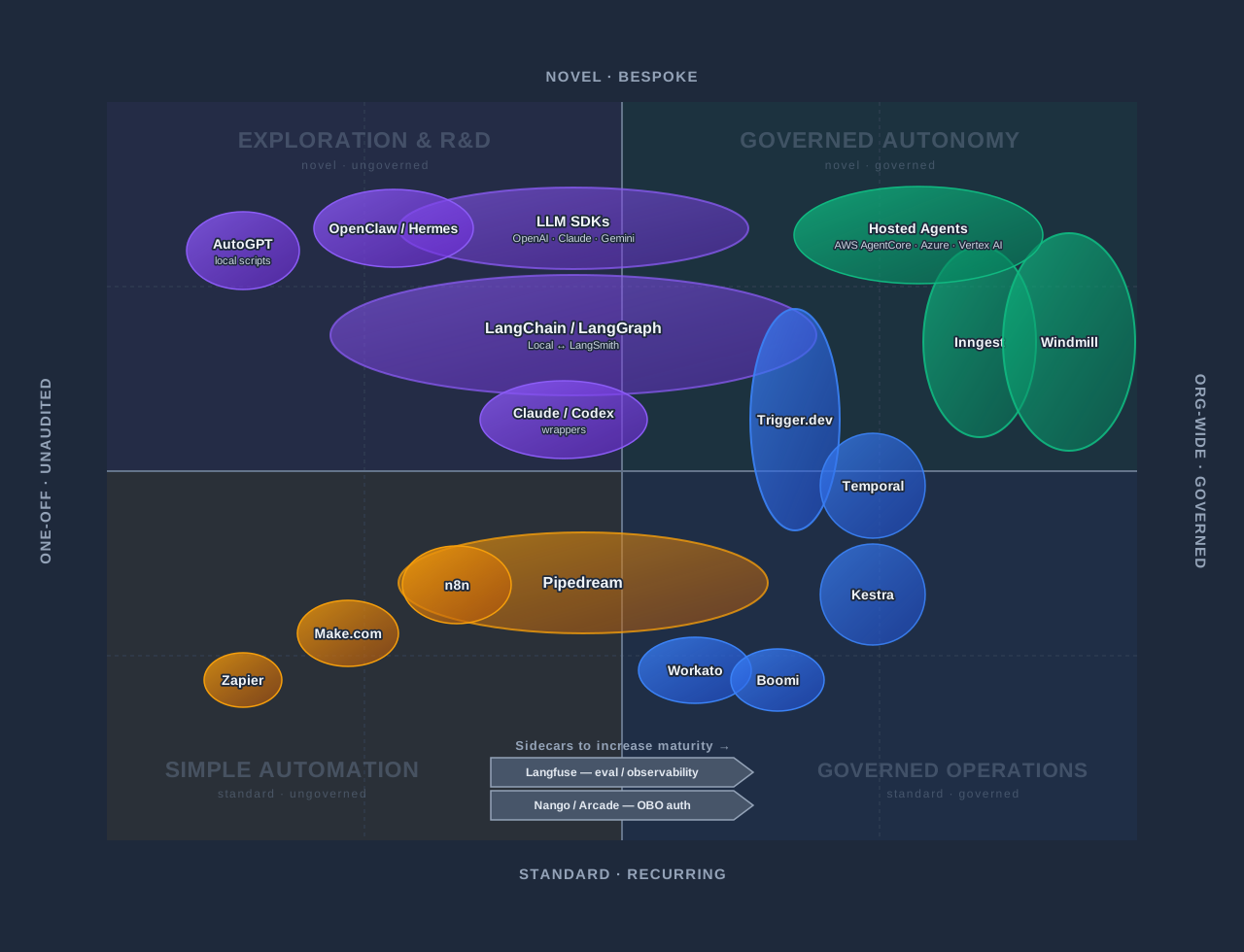
The two axes that govern every agentic automation decision

Framework

The two axes that govern every agentic automation decision

The serious 2025 research, from MIT to McKinsey, BCG, and EY, converges on one shape: AI adoption is outrunning the integration, governance, and operating maturity that turn it into value, and only about 5% of companies capture it. Two axes, the problem a system solves and the identity it is allowed to assume, map that gap into four quadrants and tell you what to buy, what to build, and what survives production.

Read the piece
The seven hidden costs that decide whether your AI is worth running

Economics

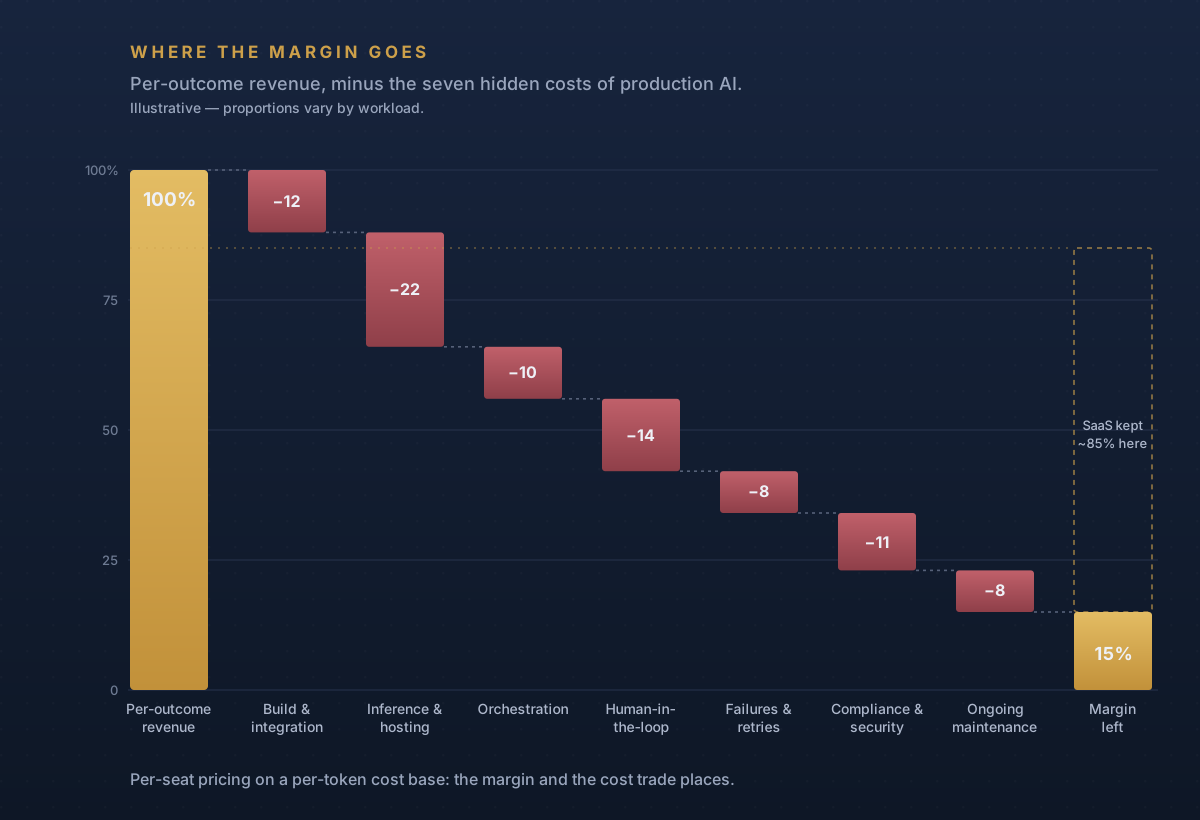
The seven hidden costs that decide whether your AI is worth running

Selling AI outcomes instead of software seats means someone absorbs the compute — and 80-90% SaaS margins don't survive that. Seven places cost hides, from orchestration loops that quietly run up five-figure bills to the human review that sneaks back into "autonomous" systems. The math worth running before you commit to building or buying.

Read the piece
Safety architecture for a mental-health AI companion

Case study

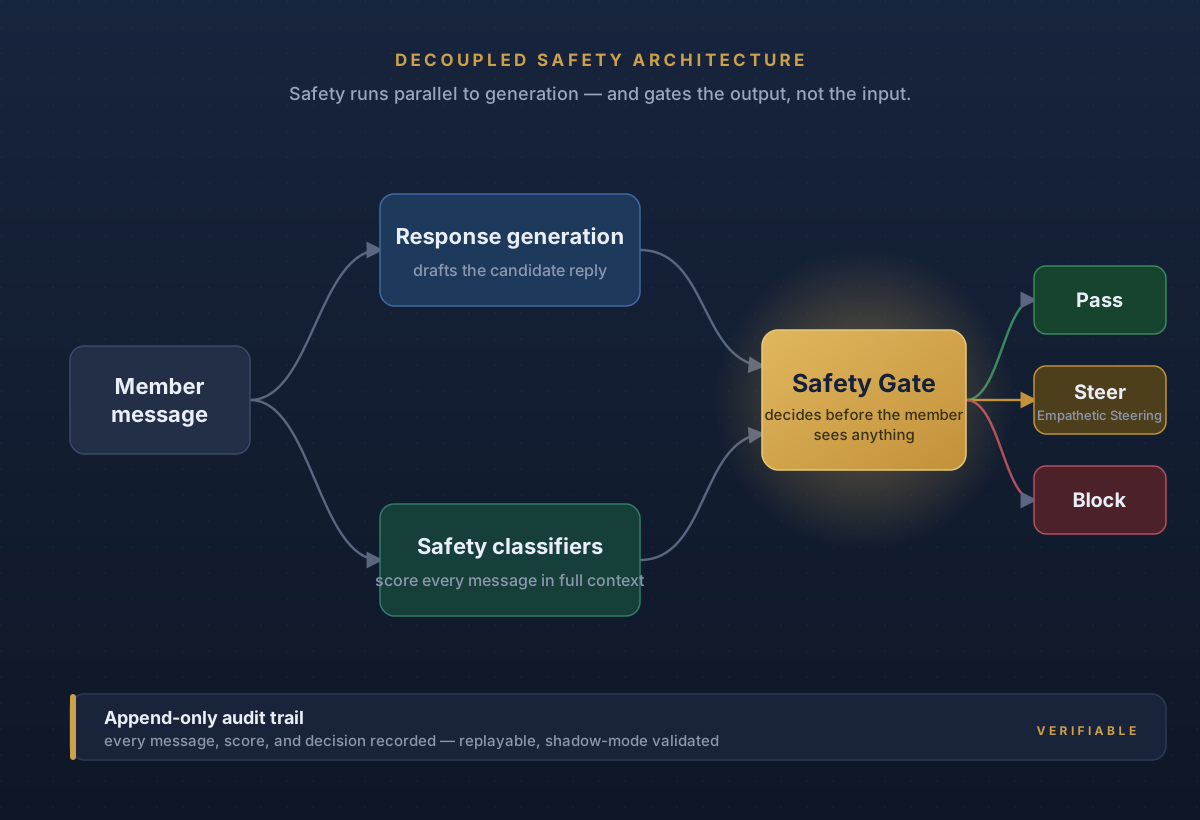
Safety architecture for a mental-health AI companion

How safety becomes an operating system in a high-trust mental-health context: a risk-detection policy, a context-aware architecture that decouples safety from the conversation, audit-ready data infrastructure, and a validation discipline.

Read the piece

More on Substack and LinkedIn

Subscribe for new frameworks and engagement briefs as they land.